
Umamusume’s First Overseas Concert Was Canceled Two Days Before Opening. Here’s What Happened Next.
Visa troubles ended the Los Angeles shows before they began. Japanese fans questioned the timing, Cygames promised travel reimbursements, and fans in California found other ways to meet.
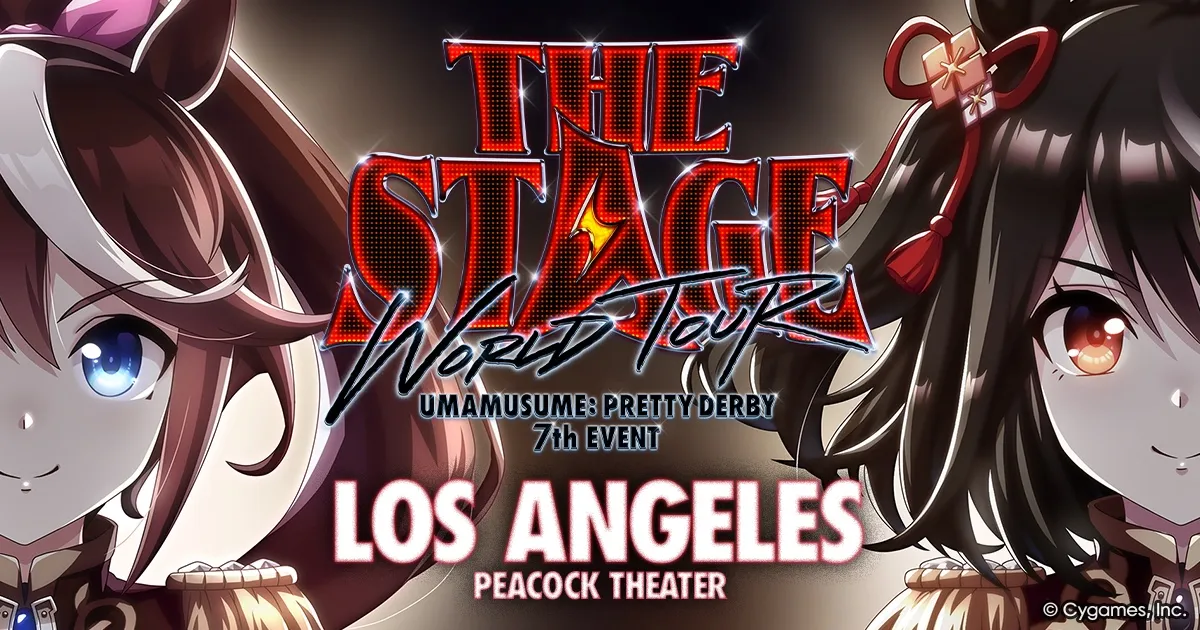
Official Los Angeles event artwork. © Cygames, Inc.
Source: 7th EVENT official website
Umamusume: Pretty Derby was supposed to bring one of its most recognizable live attractions to the United States on October 22 and 23, 2026. At Los Angeles’ Peacock Theater, voice actors from the Japanese game and anime franchise were set to perform for an international audience. Instead, the shows were called off just two days before the first performance because the necessary U.S. visas had not been obtained. [1] [3]
For readers unfamiliar with the franchise, Umamusume (“horse girls”) turns celebrated real-life racehorses into anime-style characters. Its audience calls itself “Trainers,” borrowing the title of the player’s role in the game. The planned Los Angeles concert was a major occasion for that community: an overseas stage where the performers behind the characters could meet fans who normally experience the franchise from afar.
A decision made at the last minute
The first public warning came on October 19, Japan time. Cygames said it had been preparing the visa applications for more than six months with the help of U.S.-based attorneys and promoters, but the required approvals had still not arrived. The company said it was pursuing every available option and promised a final decision by 2 p.m. Japan time on October 20. [2]
That decision arrived at 1:30 p.m. on October 20: both Los Angeles concerts were canceled. Cygames apologized not only for the cancellation but also for the late notice. The company did not publicly identify the precise visa category, the stage at which the applications became stuck, or the reason approval had not been secured in time. [3]
Japanese fans were upset about more than the concert
The disappointment was immediate, particularly among Japanese fans who had arranged expensive trips across the Pacific. Some had already traveled; others had booked flights and hotels or taken time off work. The fact that the first warning had come only three days before the planned opening became a point of criticism. Bengo4.com reported complaints from attendees who said earlier disclosure might have changed how they booked their flights or handled cancellation risk. [4]
Not every response was directed against the organizer. Cygames had described months of preparation and last-minute efforts to resolve the problem, and some fans sympathized with the staff and cast. The reactions were mixed: frustration over when the risk was communicated could coexist with recognition that the final visa decision was outside the organizers’ direct control.
What can—and cannot—be said about the visa problem
A concert is not ordinary tourist travel. The United States has immigration categories covering foreign performers and entertainment groups, including O and P visas, with petition and consular requirements depending on the case. The U.S. Department of State explicitly distinguishes temporary work from tourism. [7]
But there is an important limit to what the public knows about this particular cancellation. The notices establish that the visas were not obtained by the deadline. They do not establish that U.S. authorities formally rejected the performers, nor do they establish a link to any specific immigration policy or political decision. Speculation about why approval was delayed should not be presented as a confirmed explanation. [2] [3]
A reimbursement announcement changed the conversation
Cygames initially announced refunds for admission, livestream and live-viewing tickets, as well as the official JTB travel package. On October 21, it went further: fans planning to attend in person would also be eligible for reimbursement of certain accommodation and transportation costs. Cancellation-related charges would be covered, and people who had already arrived in the U.S. were included subject to specified periods and conditions. The company asked attendees to retain receipts while the claims process was being prepared. [3]
That response drew praise in Japan. Inside Games reported fans expressing admiration for the company and saying they wanted to support it through merchandise purchases. Others still questioned the handling of the original announcement or the precise reach of the compensation. A promise to reimburse eligible costs is not the same thing as a guarantee that every traveler will receive every expense back; the detailed rules matter. [5] [3]
The stage remained empty, but the fans still met
The cancellation did not empty Los Angeles of Umamusume fans. On October 24 and 25, gatherings at Santa Anita Park brought together visitors and local supporters. The venue hosted the already-planned Japan Family Day and a fan-organized cosplay event called Cosplay Trackside. Those events were not improvised replacements for the concert, although they took on new significance for travelers whose original plans had collapsed. [6]
In a report published on October 26, Famitsu described cosplayers, racing enthusiasts and fans from different generations sharing the venue. The report also documented at least three successful public marriage proposals over the weekend. One person had reportedly planned to propose at the Umamusume concert itself and changed the location after the cancellation. [6]
Fans also arranged informal meetings elsewhere around Los Angeles, including at the Peacock Theater and other local attractions. The gatherings illustrated a distinctive aspect of Umamusume fandom: it connects fictional characters to the history and physical spaces of horse racing, giving fans something to do together even when the scheduled performance disappears. [6]
A difficult start to the world stage
The Los Angeles cancellation was a serious setback for a franchise seeking to bring its live performances to international audiences. It left travelers facing disruption, raised questions about communication and exposed the practical risks of cross-border entertainment events. At the same time, the reimbursement response and the gatherings at Santa Anita Park became important parts of the story. The concert did not happen. The connections that had brought its audience to California were still there.
Sources and further reading
1. Cygames — 7th EVENT WORLD TOUR “THE STAGE” in LOS ANGELES (official event page)
2. Cygames — Notice on the Los Angeles show’s visa status, October 19, 2026
3. Cygames — Cancellation notice and October 21 reimbursement update
4. Bengo4.com — Japanese fans respond to the last-minute cancellation, October 20
5. Inside Games — Fan response to travel and accommodation reimbursements, October 22
6. Famitsu — On-site report from Santa Anita Park and other fan gatherings, October 26
Glossary
- Umamusumeウマ娘
Cygames’ game franchise features fictional horse-girl characters modeled on real racehorses; players take the role of Trainers.

Comments
Name and email are optional. Comments and names are public and may be moderated. Email addresses are not published. Privacy Policy.