
Japan’s Karaage-kun “Glitch” Sent Uber Eats Users on a Fried-Chicken Spree
Overlapping discounts made dozens of chicken bites unusually cheap—and put a Guinness-recognized convenience-store staple in the spotlight.
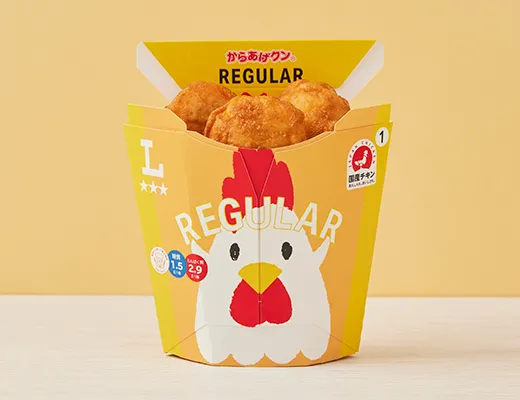
Karaage-kun Regular. Image: Lawson. Official product page
For a brief moment, a familiar Japanese convenience-store snack became the subject of an online bargain hunt. In early November, social media users discovered that ordering Lawson’s Karaage-kun through Uber Eats could yield startlingly large piles of fried chicken for surprisingly little money. Some users called the discount combination a “glitch”—although there is no confirmed evidence that the delivery platform malfunctioned.
How the discounts piled up
The timing was crucial. From October 27 through November 2, 2026, Lawson increased each Karaage-kun pack from five pieces to six without raising the store price. Meanwhile, some Uber Eats listings showed the product at 50% off, and eligible customers reported applying additional order-wide coupons, sometimes worth 30% or 40%. Delivery and service-fee benefits could lower the final total further. The offers varied by account and location.
The arithmetic quickly became a social-media attraction. On X, @maya235711 reported getting 72 pieces for roughly ¥1,300, while @HBK_COSAV posted about 66 pieces for around ¥1,400. Another user compared the overlapping promotions to “stacking buffs in an MMORPG.” The nickname “glitch” reflected how improbable the deal felt—not a verified software exploit.
The chicken behind the frenzy
Karaage-kun is a small, seasoned chicken snack served in a distinctive paper carton at Lawson, one of Japan’s major convenience-store chains. It launched on April 15, 1986, after developers took inspiration from Americans eating chicken nuggets on the move. Over four decades, Lawson has released more than 430 flavors, including regional and pop-culture collaborations.
It also holds a Guinness World Records title for the best-selling freshly made Japanese-style fried chicken brand, based on more than 286 million servings sold in 2024. That is a specific category—not a claim that it outsells every type of fried chicken worldwide. In August 2026, Lawson announced that cumulative sales had passed five billion servings.
The product belongs to Japan’s distinctive convenience-store “hot snack” culture. Beyond drinks and packaged meals, chains sell warm, ready-to-eat fried chicken, croquettes and other quick bites from counters near the register. For many customers, such snacks are a routine part of a convenience-store visit.
Not everyone was celebrating
The flood of orders also prompted complaints about the work involved. One X user identifying as a convenience-store part-timer said large Uber Eats orders of Karaage-kun were stressful to prepare. Other shoppers acknowledged the burden on staff even as they shared their discounted hauls. Those posts illustrate the tension, but do not establish how widespread the disruption was.
Lawson’s extra-piece campaign ended on November 2. The episode was less a repeatable shopping trick than a brief internet spectacle: discount stacking turned an everyday snack into a bulk-buying challenge—and reminded people how central hot fried chicken has become to Japanese convenience-store culture.
REFERENCE LINKS Lawson campaign · Lawson sales history · Guinness record
SOCIAL POSTS 72-piece order · 66-piece order · MMORPG analogy · Worker reaction



Comments
Name and email are optional. Comments and names are public and may be moderated. Email addresses are not published. Privacy Policy.